Effects of a Nuclear War: Bridging Science, Policy, and Global Risk Governance

Monalisa Hazarika
Research and strategic engagement officer, SCRAP Weapons
Workshop Summary
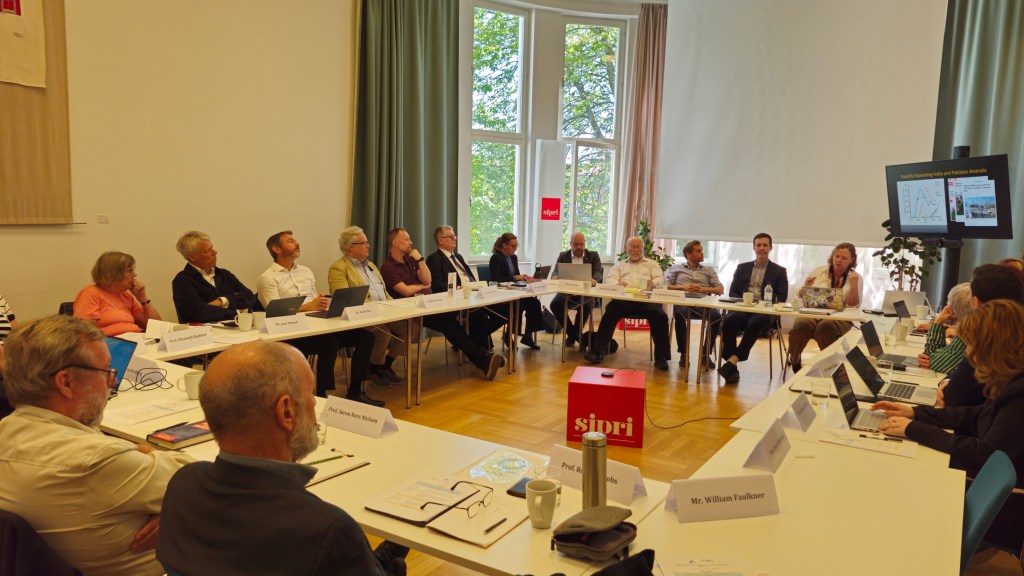
On 12 June 2026, the SCRAP Weapons Project at SOAS University of London and the Pugwash Conferences on Science and World Affairs convened a hybrid workshop at the Stockholm International Peace Research Institute (SIPRI) in Stockholm, bringing together scientists, policy experts, diplomats, humanitarian voices, and early-career researchers for a cross-disciplinary discussion on nuclear winter, deterrence, and global risk governance. The workshop was designed to create a collaborative space where climate, security, agricultural, and policy communities could engage with the real-world consequences of nuclear weapons use.
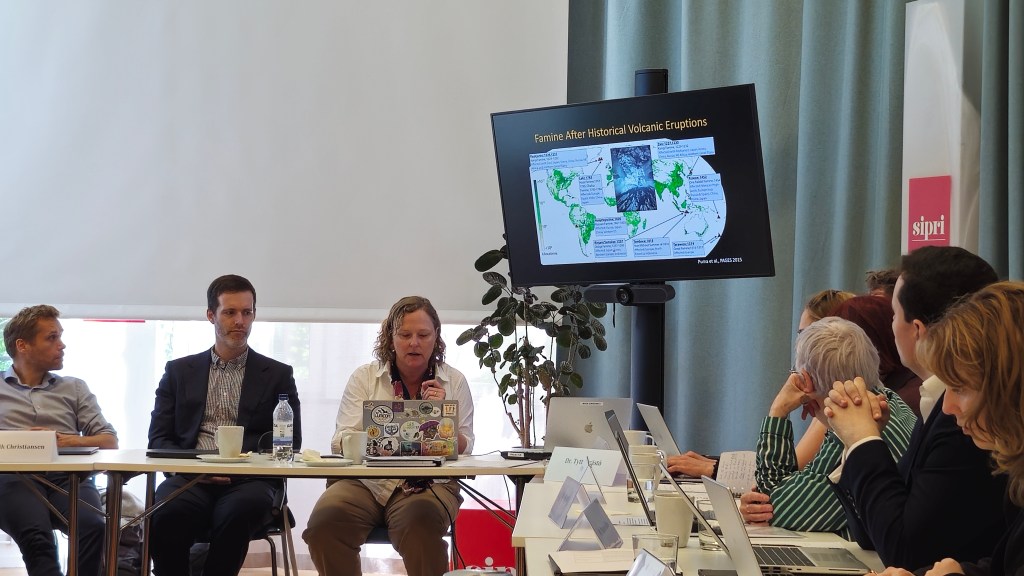
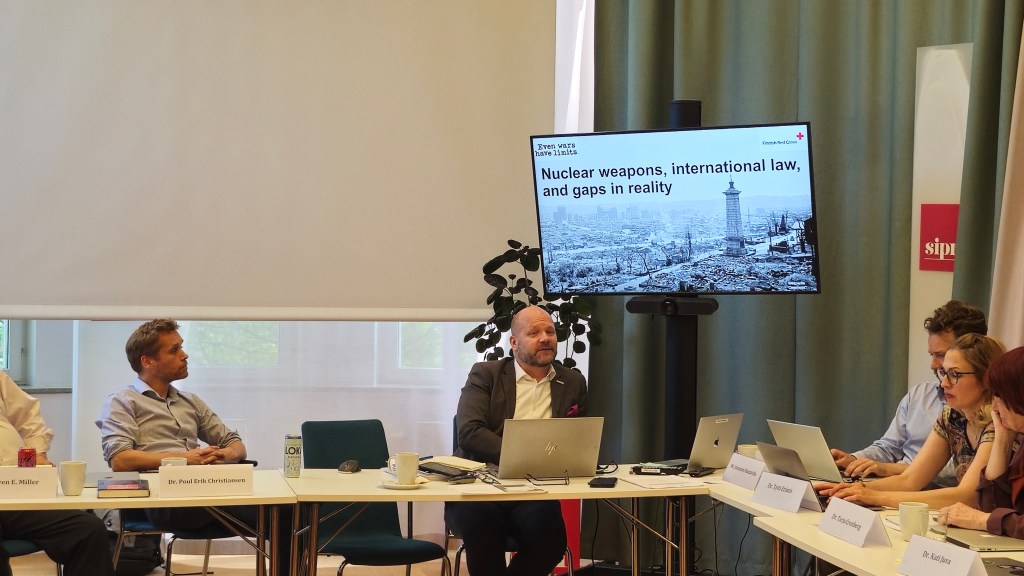
Following a participatory and interdisciplinary format, the workshop combined scene-setting panels, moderated thematic sessions, audience discussion, and space for reflective exchange across disciplines, which was structured around four key segments. The first session examined nuclear winter and the climate crisis, with speakers offering scientific perspectives on the atmospheric, agricultural, and humanitarian effects of nuclear detonations. Discussion highlighted how soot injection, temperature decline, disrupted precipitation, radiation exposure, and cascading effects on food systems and health would make even limited nuclear use a global security issue rather than a purely military one. The second session focused on regional environmental security, with particular attention to the Nordic context, including questions of climate resilience, preparedness, and the implications of nuclear war for food supply, infrastructure, and long-term security planning. The third session explored strategic disconnects, especially the gap between deterrence theory and the environmental, humanitarian, and legal realities of nuclear weapons use. The final session turned to deterrence risks and impact assessment, considering how contemporary nuclear postures, war-gaming, and technological change are reshaping strategic stability in Europe and beyond.
Among those attending were experts from academia, policy institutions, civil society, and international organisations, including representatives from SIPRI, Pugwash, SOAS, and partner networks. The discussions reflected strong cross-regional and cross-generational engagement, with contributions from senior scholars, scientists, diplomats, and early-career professionals. This format enabled participants to bridge disciplinary silos and foster dialogue among experts in nuclear strategy, climate and environmental science, and peace, humanitarian, and disarmament advocacy.
A key outcome of the workshop was a shared recognition that the consequences of nuclear war must be treated as a live policy concern rather than a distant or abstract possibility. Participants broadly agreed that the scientific evidence on nuclear winter is sufficiently robust to warrant greater attention in security planning, public communication, and multilateral processes. The discussions also highlighted a persistent disconnect between the language of deterrence and the realities of escalation, uncertainty, and humanitarian collapse. This made clear the need for more integrated risk assessment and for stronger connections between technical research and policy reform. Participants also expressed interest in continuing the conversation through future convenings, written outputs, and targeted dissemination to specialist and policy audiences.
The SCRAP Weapons Project and Pugwash Conferences on Science and World Affairs intend to build on the Stockholm discussions through further research, advocacy, and policy engagement with relevant UN processes, including work linked to the UN Panel on the Effects of Nuclear War, and strengthening the foundations for more credible, inclusive, and forward-looking global risk governance.
Read the full summary here: https://pugwash.org/2026/06/17/stockholm-workshop-on-effects-of-a-nuclear-war/

Monalisa Hazarika
Strategic communications and partnership officer, SCRAP Weapons